
Tax Compliance Made Easy: A Guide for Lagos-Based Businesses


Understanding Tax Compliance in Lagos
Running a business in Lagos comes with its unique set of challenges, and ensuring tax compliance is often at the top of that list. Navigating the complex tax landscape is crucial for both small and large enterprises. This guide aims to simplify the process and help Lagos-based businesses stay on the right side of the law.
Tax compliance involves adhering to the tax laws and regulations set by the government. In Lagos, businesses must be aware of local taxes, including the Lagos State Internal Revenue Service (LIRS) requirements.

Registering Your Business for Tax Purposes
The first step towards tax compliance is registering your business with the relevant authorities. In Lagos, this means registering with the Corporate Affairs Commission (CAC) and obtaining a Tax Identification Number (TIN) from the LIRS.
Ensure that all your business activities are declared accurately. This will not only help in compliance but also ensure that you take advantage of any available tax incentives.
Keeping Accurate Financial Records
One of the cornerstones of tax compliance is maintaining accurate and detailed financial records. This includes income statements, balance sheets, and cash flow statements. Proper bookkeeping can save you from future headaches and potential penalties.
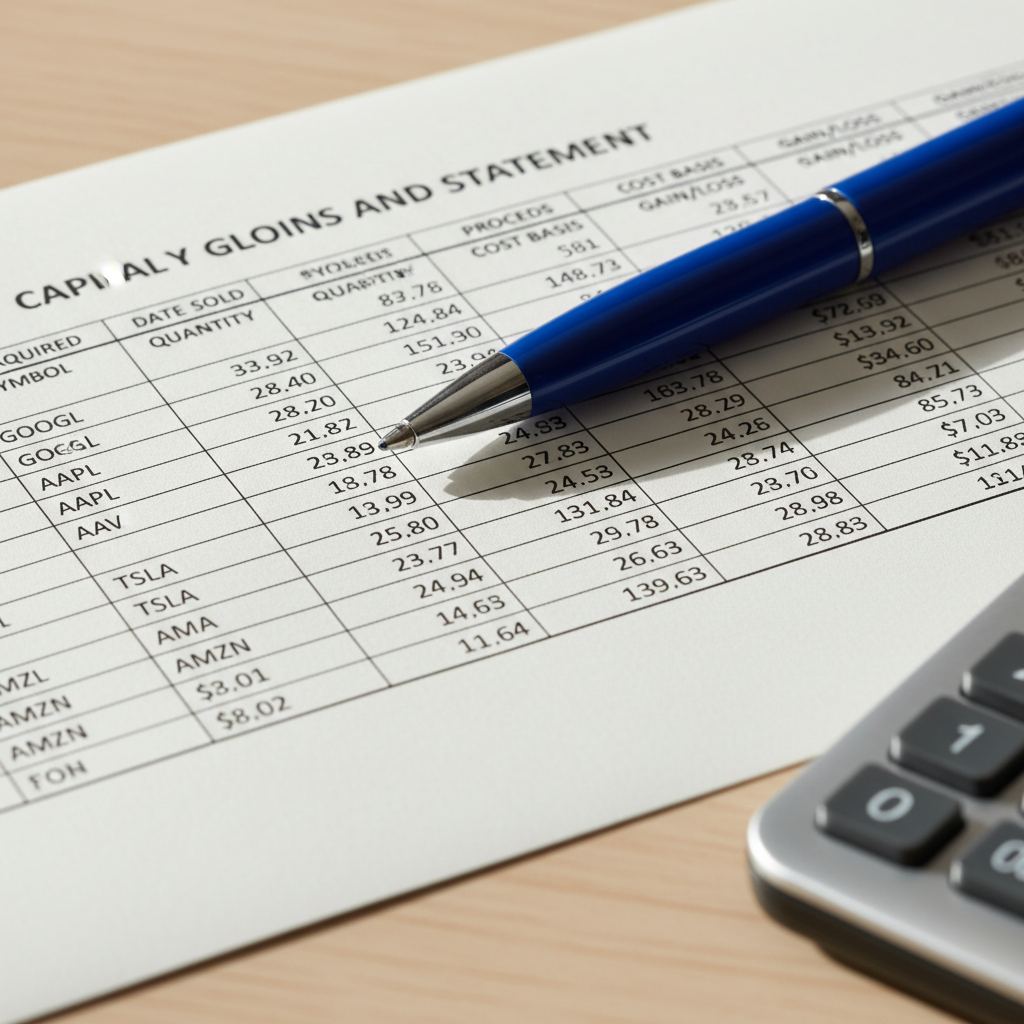
Consider investing in accounting software or hiring a professional accountant. This can help streamline the process and provide insights into your financial status, aiding in more efficient tax filing.
Understanding Local Tax Obligations
Lagos-based businesses are subject to several local taxes. Key taxes include the Personal Income Tax (PIT), Value Added Tax (VAT), and Withholding Tax (WHT). It's crucial to understand how each of these applies to your business operations.
- Personal Income Tax (PIT): Applicable to employees and must be deducted at source.
- Value Added Tax (VAT): Charged on goods and services, currently at 7.5%.
- Withholding Tax (WHT): Deducted from payments to suppliers and contractors.
Meeting Deadlines and Avoiding Penalties
Timely filing and payment of taxes are essential to avoid penalties. Lagos State imposes strict deadlines for tax submissions, and failure to comply can result in fines and legal issues.
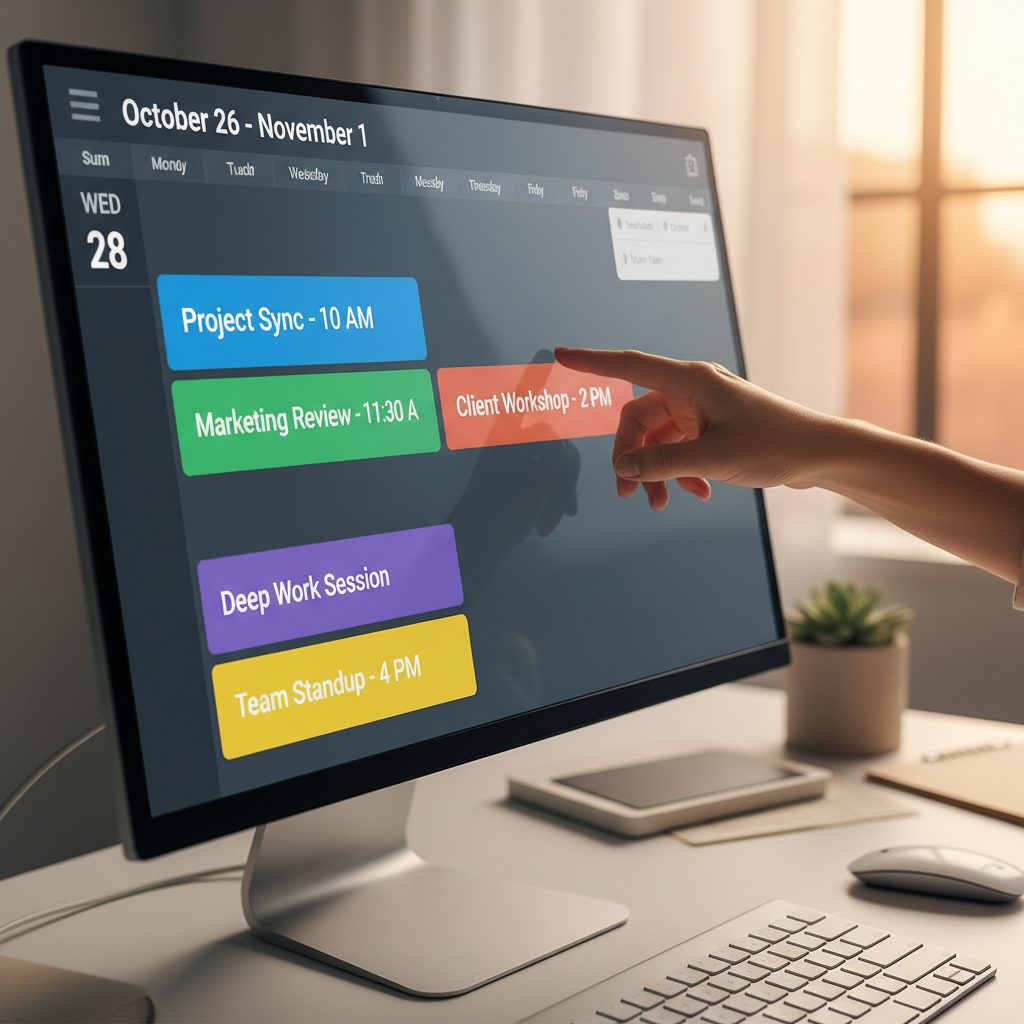
Set reminders for all tax-related deadlines and consider setting up automated payments where possible. This reduces the risk of missing important dates.
Seeking Professional Help
Tax laws can be complex and often change. Engaging with a tax consultant or accountant familiar with Lagos tax regulations can be a wise investment. Professionals can provide tailored advice to ensure your business remains compliant.
By taking these steps, Lagos-based businesses can simplify their tax compliance process, allowing them to focus more on growth and development. Remember, staying informed and proactive is key to seamless tax management.