
Choosing the Right ERP System for Your Accounting Needs


Understanding ERP Systems
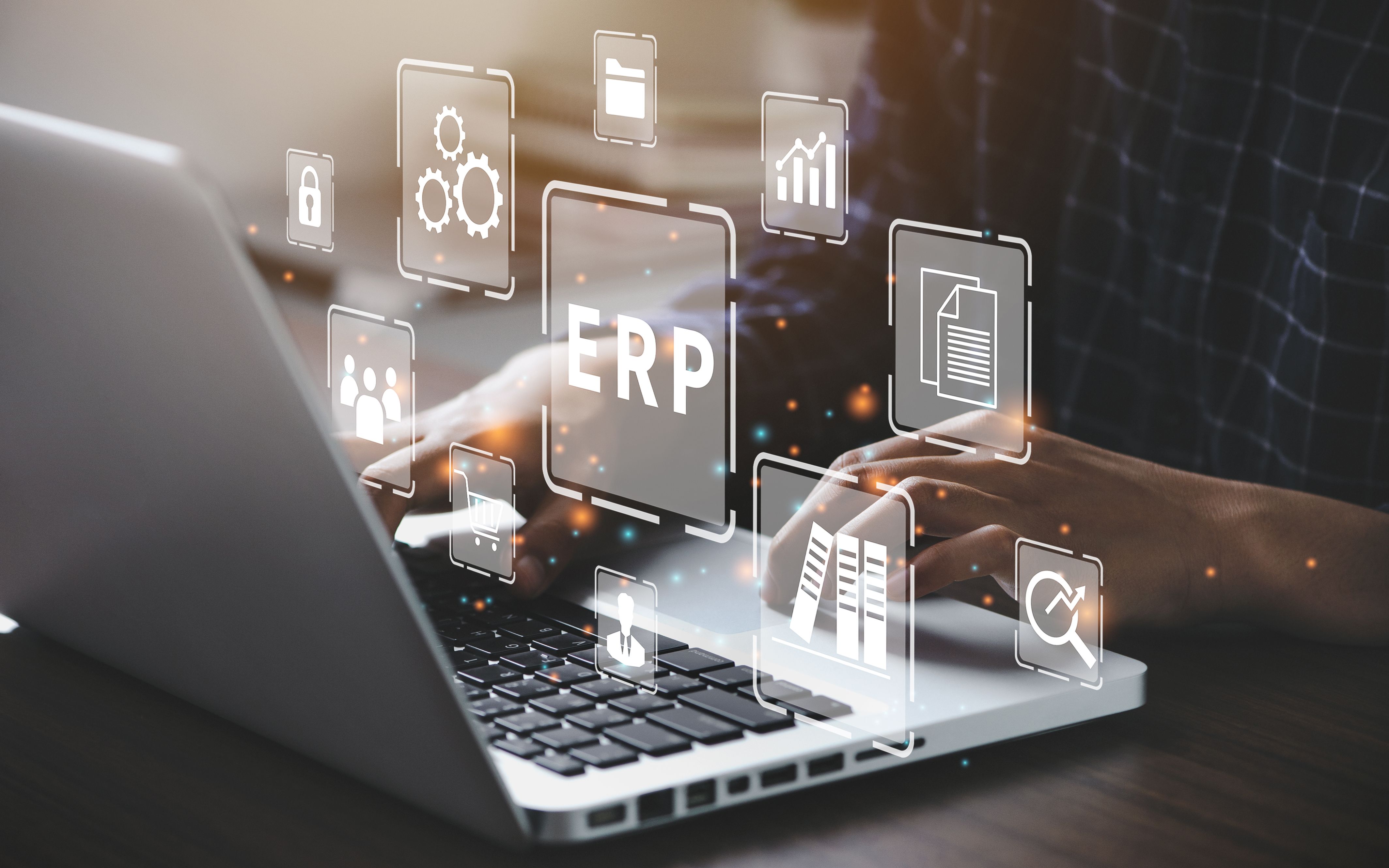
Enterprise Resource Planning (ERP) systems are comprehensive software platforms that help businesses manage and integrate critical processes. For accounting, an ERP system streamlines operations by consolidating financial data, automating tasks, and providing real-time insights.
Identifying Your Accounting Needs
Before selecting an ERP system, it's essential to identify your specific accounting needs. Consider factors like the size of your business, the complexity of your financial operations, and any industry-specific requirements. Small businesses may prioritize simplicity, while larger enterprises might need more robust features.
Key Features to Look For
Ensure the ERP system includes features like general ledger management, accounts payable and receivable, budgeting, and financial reporting. Automation capabilities can significantly reduce manual data entry and minimize errors, saving time and resources.
Scalability and Flexibility
Your business will grow, and your ERP system should be able to scale with it. Choose a system that offers flexibility and can adapt to changing financial processes. Features like customizable dashboards and modular architecture can provide the adaptability you need.
Cloud-Based vs. On-Premise
Decide between a cloud-based ERP system and an on-premise solution. Cloud-based systems offer advantages like remote access and automatic updates, while on-premise solutions might provide more control over data security. Consider your IT infrastructure and security needs when making this decision.

Evaluating Vendor Support
The ERP vendor's support and training offerings are crucial for a smooth implementation. Ensure they provide comprehensive training sessions, a responsive support team, and resources like user manuals and community forums. This support can be invaluable during the transition period.
Cost Considerations
While cost shouldn't be the only factor, it's essential to understand the total cost of ownership. This includes initial setup fees, subscription costs for cloud-based systems, and any additional charges for training or support. Budget accordingly to ensure long-term affordability.

Conducting a Thorough Evaluation
Once you've narrowed down your options, conduct a thorough evaluation. Request demos, trial versions, and seek feedback from current users. This hands-on experience will help you assess the system's usability and compatibility with your existing processes.
Ultimately, choosing the right ERP system for your accounting needs involves careful consideration and planning. By focusing on critical features, scalability, and vendor support, you can select a system that enhances your financial operations and supports your business growth.